A Guide to All 91 Target Level Zero Trust Activities
September 16, 2025
Why Zero Trust Needs Automation to Work
September 30, 2025Shifting Security Left: Integrating Security into the SDLC with a DevSecOps Factory
Building inherently secure applications is a fundamental necessity. In software development, security has often entered the software development lifecycle (SDLC) late in process, leading to increased vulnerabilities, technical debt, and costly (time, effort) fixes.
The concept of “shifting security left” fundamentally changes this paradigm by integrating security practices and testing into the earliest stages of the software development lifecycle (SDLC). This proactive strategy is essential for building inherently secure applications that can withstand modern threats.
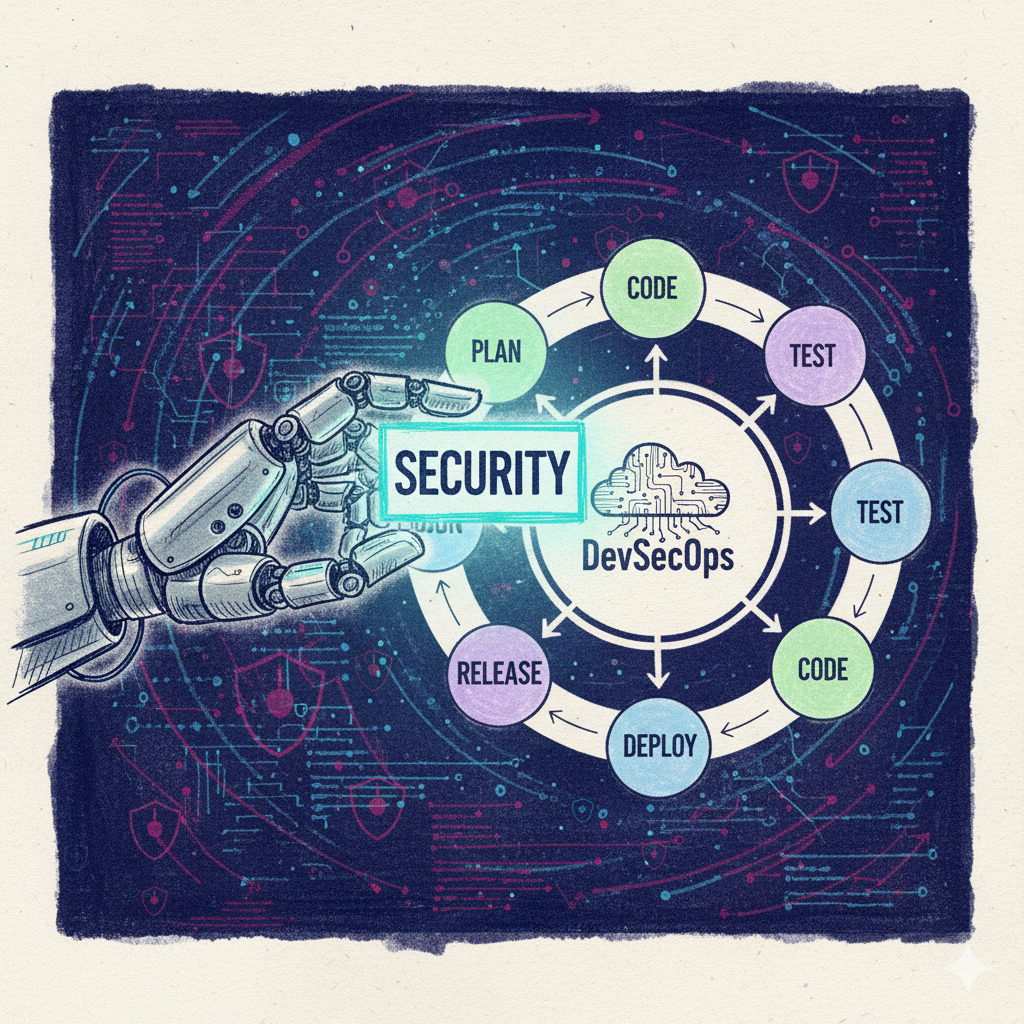
It is also a requirement in the Department of Defense’s (DoD) Zero Trust Activity 3.2.1 – Build DevSecOps Software Factory Part 1.
The “shift-left” principle is based on the premise to identify and fix vulnerabilities during the requirements gathering, design, coding, testing, and deployment phases. By integrating security controls and continuous testing into automated pipelines, we can identify and remediate vulnerabilities much earlier, before applications ever reach production. This proactive approach dramatically reduces the attack surface and elevates the overall security posture of our applications
Implementing a DevSecOps Software Factory
Operationalizing the shift-left strategy requires a systemic change in how organizations approach software development. This is where the concept of a DevSecOps Software Factory comes into play. It’s an environment where development, security, and operations are not separate silos but are seamlessly integrated into a continuous, automated pipeline.
The goal is to establish consistent and well-defined processes and controls for DevSecOps, paving the way for applications that are inherently more secure and align with Zero Trust principles from day one.
Key to this implementation is the integration of automated security testing tools directly into your CI/CD pipelines integration to identify vulnerabilities early and continuously. Instead of relying on a final, manual security scan, automated security testing tools are embedded directly into the pipeline. This often includes a combination of:
- Static Application Security Testing (SAST): Analyzes source code during the code commit/build phase to find vulnerabilities before the application is even compiled.
- Dynamic Application Security Testing (DAST): Tests the running application in staging environments to find vulnerabilities that might not be visible in the source code.
- Software Composition Analysis (SCA): Identifies and tracks open-source components and their known vulnerabilities.
This automated approach ensures that security is a continuous part of the process, with security gates and policies enforced automatically. For example, a build can be configured to fail if a critical vulnerability is detected by a SAST tool, preventing insecure code from moving forward in the pipeline. This makes security a shared responsibility, with developers receiving immediate feedback on their code, empowering them to fix issues proactively.
Key Technologies and Tools Powering DevSecOps
To make this happen, a robust set of technologies is essential:
- CI/CD Automation Servers/Platforms: These orchestrate the entire build, test, and deploy process.
- Code Repositories: Store and manage source code, triggering automated CI/CD pipelines upon changes.
Security Testing Tools: Beyond SAST and DAST, this includes Software Composition Analysis (SCA) to identify vulnerabilities in open-source components, and Container Security Tools for scanning container images.
Vulnerability Management (VM) Platforms: Centralize vulnerability findings from various security testing tools for efficient prioritization and tracking of remediation efforts.
- Policy as Code (PaC) Tools: Allow security and compliance policies to be defined and enforced directly in code, making them an integral part of the pipeline.
- Artifact Repositories: Securely store built software artifacts
From Reactive to Proactive
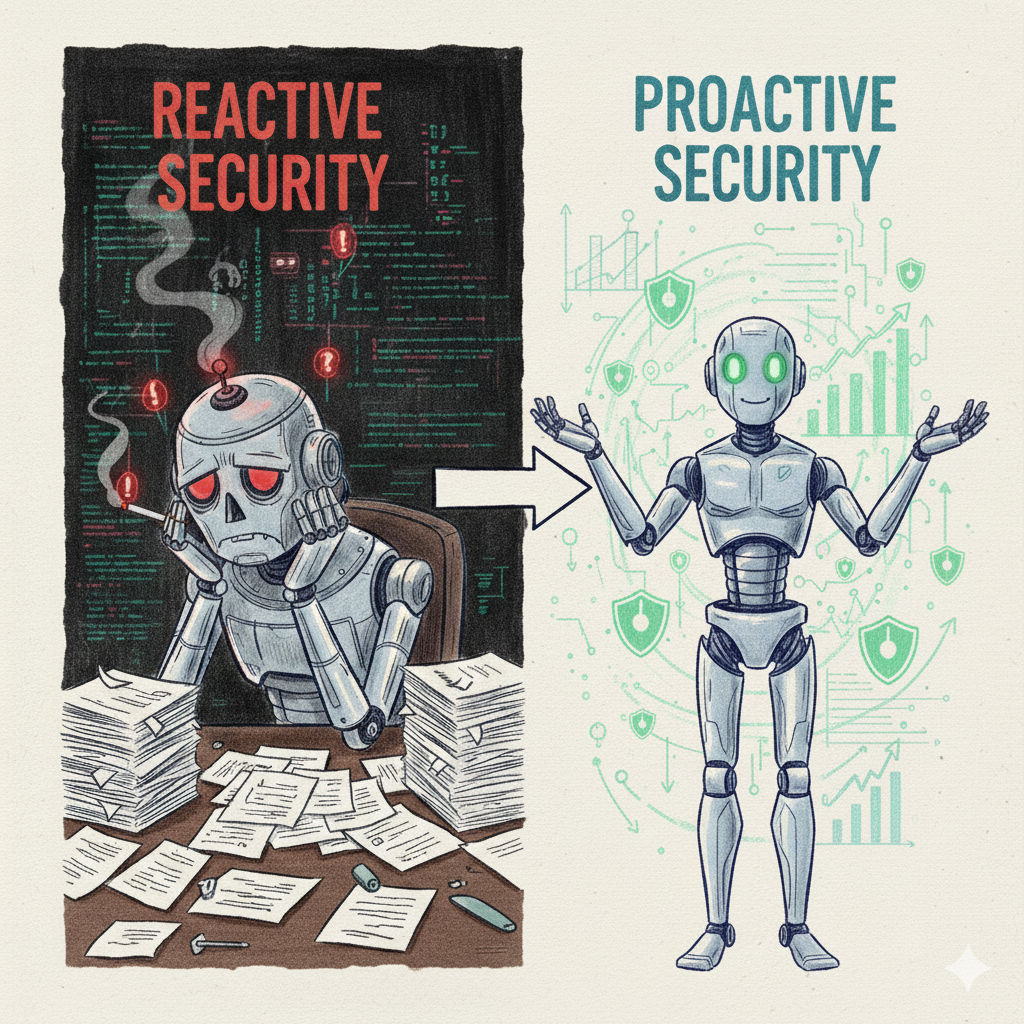
Shifting security left transforms a reactive security posture into a proactive one. Instead of responding to incidents and breaches, the focus is on prevention. By integrating security controls and testing into automated pipelines, vulnerabilities are identified and remediated before applications ever reach production, significantly reducing the attack surface.
Read more about this and other Zero Trust Application & Workload Pillar Activities.